

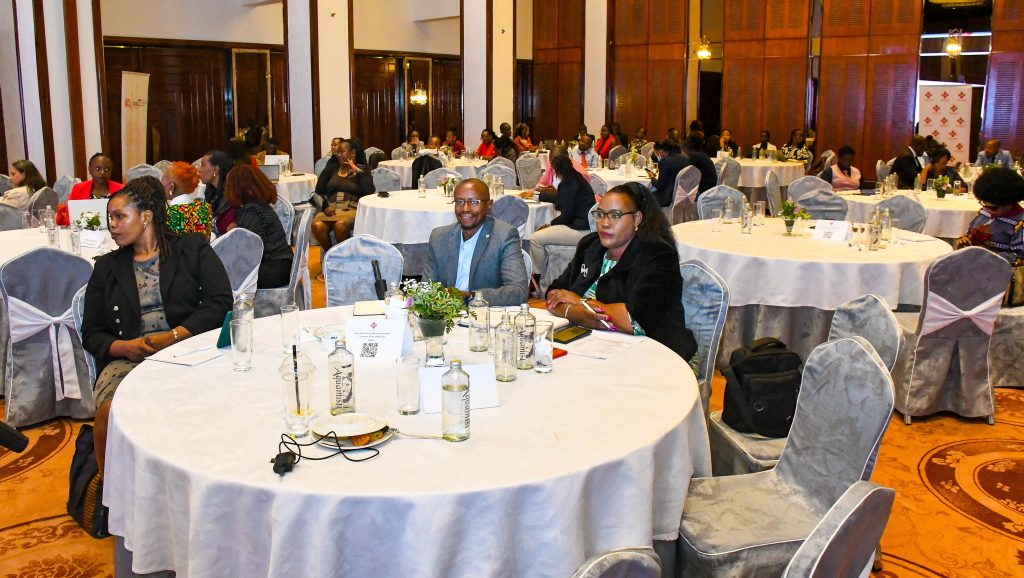
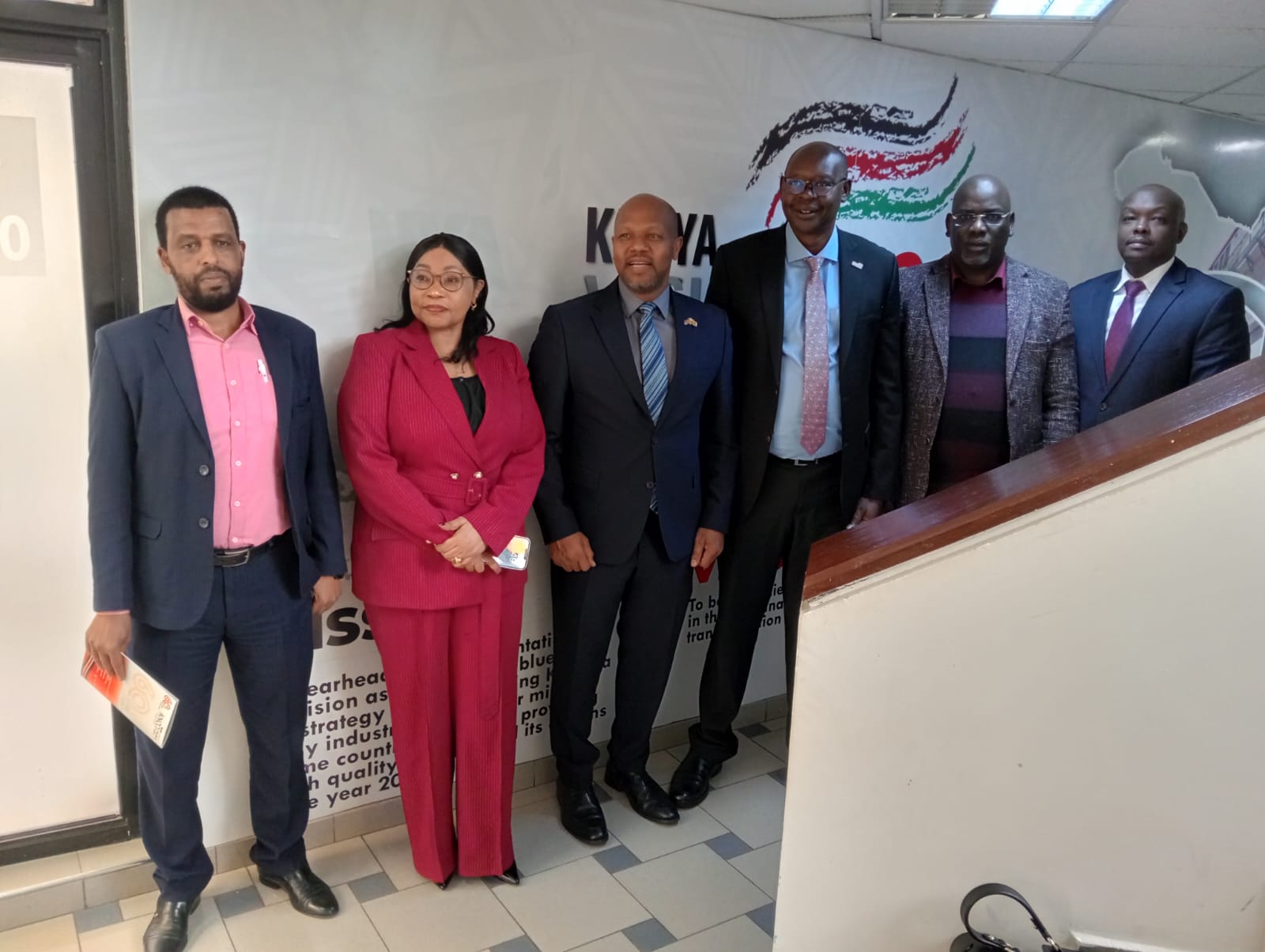
Local Micro, Small, and Medium Enterprises (MSMEs) must urgently transition from reactive crisis management to proactive risk mitigation if they are to survive an increasingly complex regulatory landscape and unlock critical formal funding. This was the central call to action during an exclusive, high-profile business forum organized by the Kenya National Chamber of Commerce & Industry (KNCCI) in partnership with AAR Insurance at a Nairobi Hotel. Addressing over 100 selected SME owners, directors, and corporate leaders, KNCCI President Dr. Erick Rutto revealed that while entrepreneurial optimism is currently at an all-time high, heavy regulatory friction continues to stunt the growth and scaling of small enterprises.
According to the latest KNCCI Annual Business Barometer, an overwhelming 86.2 percent of businesses expect improved performance in the coming year, which represents a historic surge from the 65 percent recorded last year. However, translating this collective optimism into sustainable corporate wealth remains a steep climb for many. Dr. Rutto pointed out that Kenyan businesses are currently drowning in bureaucratic red tape, navigating over 540 licenses and permits issued across 61 distinct regulatory bodies. This administrative duplication devours an estimated 30 percent to 50 percent of an average MSME’s resources in compliance costs alone. Compounding this issue is a worrying structural gap: while the fear of heavy non-compliance penalties is exceptionally high, actual corporate compliance preparedness among local businesses remains dangerously low.
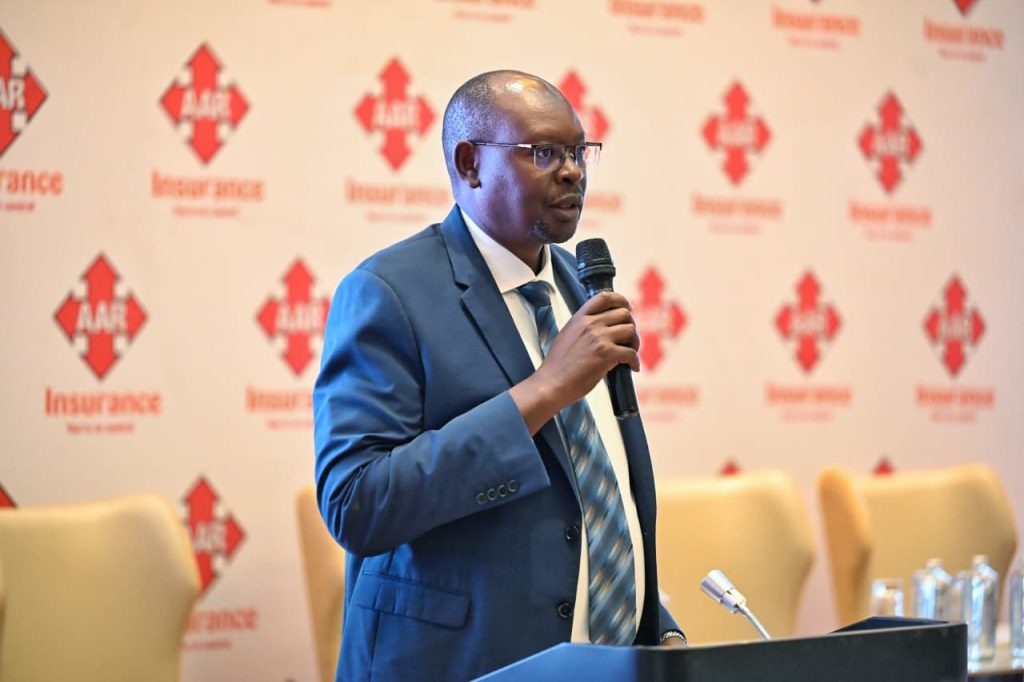 To counter this administrative chokehold, KNCCI has submitted a comprehensive memorandum on the County Licensing (Uniform Procedures) Act, 2024. The Chamber is actively lobbying the government for a single-payment framework, a national digital licensing window with QR verification, and the mutual recognition of licenses across counties to offer real financial relief. Additionally, KNCCI is pushing for the swift enactment of the Prompt Payment Bill to release between KES 600 billion and KES 650 billion currently locked up in unpaid pending bills, which continues to starve local businesses of critical operational liquidity.
Speaking on corporate vulnerability and resilience, AAR Group Head of Distribution James Kamau highlighted that Kenya’s overall insurance penetration remains critically low, contributing KES 420 billion but representing just 2.5 percent of the national GDP. Of the Kenyan population, only 3 million citizens are covered by private insurance, while 30 million are under the Social Health Insurance Fund. Because of this, business risk management is no longer a corporate luxury but a basic survival tool.
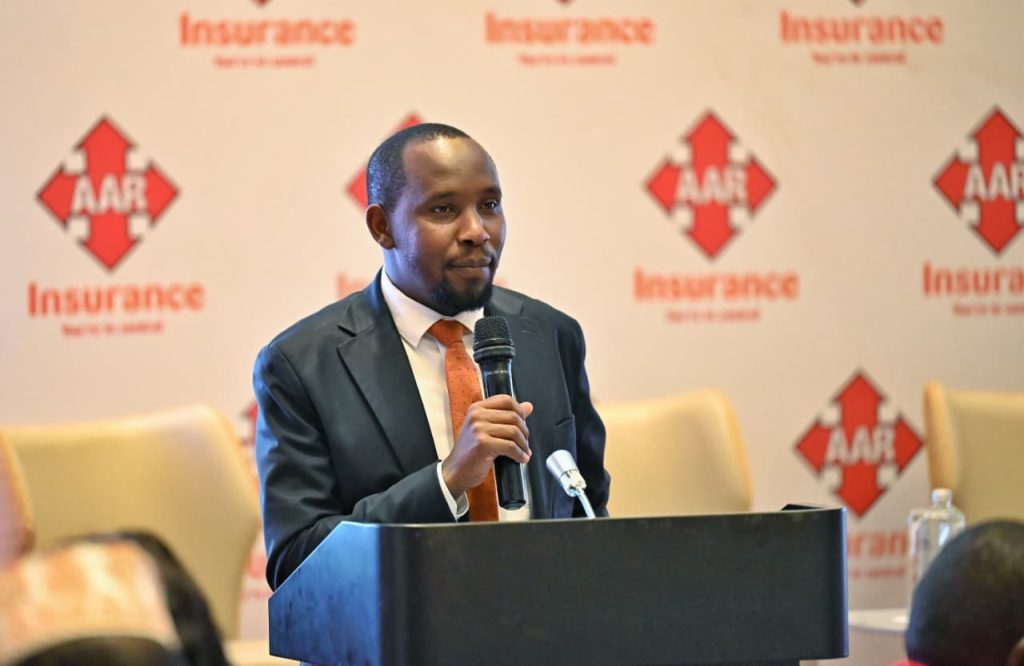
To protect MSMEs from emerging threats, AAR Insurance CEO Justine Kosgei announced a strategic shift in how the insurer interacts with small businesses. As the country’s largest insurer of SMEs, AAR is deploying an ecosystem framework rather than simply selling traditional policies. This framework functions as a one-stop sandbox solution designed to help SMEs manage complex administrative and risk-heavy departments, such as legal compliance, tax audits, employment disputes, and licensing, which they otherwise lack the internal capacity to run. This approach safeguards operational liquidity against modern threats like cyber risks, climate change disruptions, and sudden employee healthcare costs.
The forum also highlighted a major missed opportunity in regional trade. Despite MSMEs representing over 98 percent of registered businesses and employing 15 million Kenyans, they contribute only about 30 percent of the country’s GDP. Data from the KNCCI Barometer reveals that 70 percent of Kenyan businesses do not export, yet businesses that actively participate in cross-border trade outperform domestic-only players by 12.7 percentage points.
To help local players scale internationally, Dr. Rutto urged members to utilize KNCCI’s active networks to access markets within the East African Community and the African Continental Free Trade Area. The Chamber also invited local entrepreneurs to the upcoming Africa Commerce and Industry Summit in October 2026, which is expected to bring over 5,000 global investors from 50 countries to Nairobi to unlock the continent’s untapped potential.





Leave A Comment