


Following the signing of a strategic Memorandum of Understanding (MoU), the Kenya National Chamber of Commerce and Industry (KNCCI), through its Chamber Business Academy (CBA), has officially launched the China (Hunan) – Kenya Edible Fungi Technology Training Program.
The launch follows a strategic framework established between KNCCI and the China-Africa Economic and Trade Promotion Council (CAPETPC) of Hunan Province, Changsha. The landmark partnership aims to revolutionize Kenya’s mushroom value chain by facilitating technology transfer, capacity building, and technical cooperation. In immediate execution of this agreement, professors and agricultural experts from the Hunan Edible Fungi Research Institute have arrived to train the first cohort of mushroom farming entrepreneurs.
Speaking during the launch, Professor Paul Gakarau, Chairman of the Chamber Business Academy Committee, emphasized that the intensive training program is designed to deliver a highly technical skillset required for profitable yields.
The initiative directly addresses a massive economic gap in Kenya’s agricultural sector. According to the industry baseline, Kenya faces an annual mushroom demand of approximately 1,200 tonnes against a domestic production of just 500 tonnes. This leaves an annual supply shortfall of roughly 700 tonnes.
“With such a substantial supply gap, the challenge is not market demand, but the technical capacity to produce at scale,” Professor Gakarau noted. He acknowledged CAPETPC and the Hunan Edible Fungi Research Institute for deploying advanced expertise to help local farmers scale production.
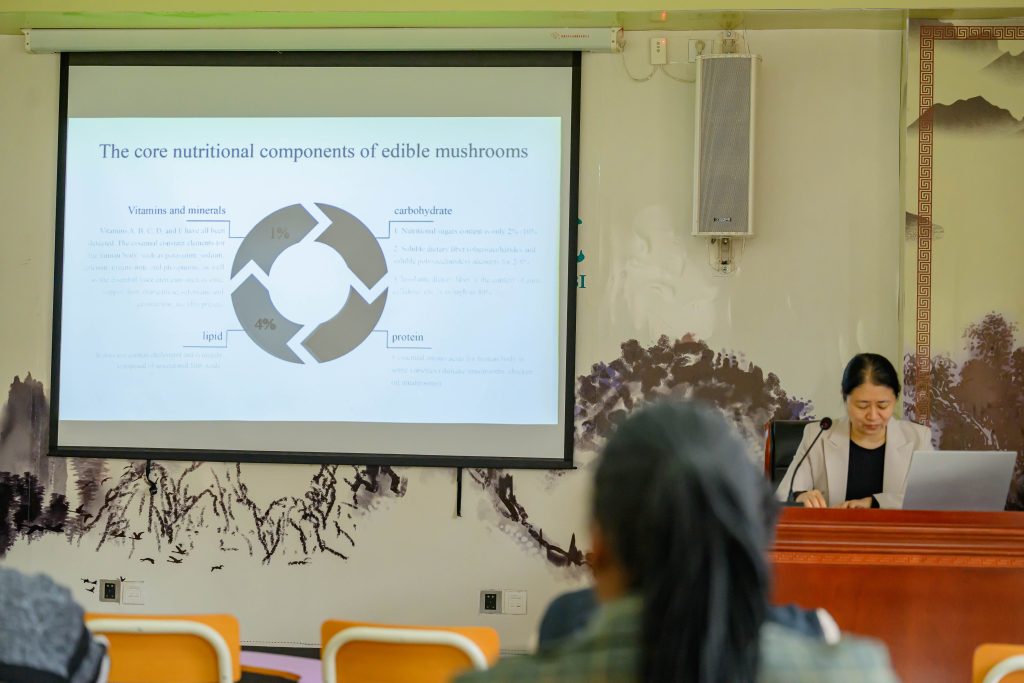
The training course equips participants with comprehensive skills in white and oyster mushroom cultivation, ecological requirements, pest and disease control, and modern packaging and preservation techniques. It provides practical, hands-on exposure that transitions directly into fruiting rooms, introducing modern mushroom bags into the regional supply chain and creating linkages with real buyers.
The mushroom training program aligns with the overarching mandate of the Chamber Business Academy, which was established to serve as KNCCI’s dedicated arm for capacity development and business growth. The academy provides a structured mechanism to elevate the competitiveness and market readiness of local micro, small, and medium enterprises (MSMEs), cooperative societies, youth, and women.
Professor Gakarau highlighted several successful milestones already achieved by the CBA through key global partnerships:
- Skills Development for Youth and Women Programme: 578 young people and women have graduated with practical entrepreneurship skills, with a mentorship phase currently supporting 60 small and medium enterprises.
- The Jiinue Growth Programme: Over 6,000 MSMEs have been trained in business management, financial literacy, and digital adoption, with 800 enterprises receiving advanced technical support.
- Cooperative and Value Chain Support: Gender Diversity Management initiatives have strengthened governance and inclusion in the coffee value chain.
- iSOKO Digital Trade: Practical e-commerce training has enabled MSMEs to move beyond informal operations, integrate blended business models, and leverage digital tools for growth.
These initiatives, supported by organizations such as the Mastercard Foundation, TradeMark Africa, and the Lithuanian Development Cooperation and Humanitarian Aid, underscore CBA’s steady momentum toward becoming an African business university.
Looking forward, Professor Gakarau announced an ambitious roadmap of flagship themes intended to scale Kenyan enterprises into regional and international markets.
Most notably, the academy will launch a series of China Zero Tariff Export Readiness programs. These programs are designed to provide hands-on market linkage support, enabling businesses to maximize the benefits of the zero-tariff export opportunity announced by China.
Additionally, upcoming flagship initiatives include:
- Smart Businesses Africa: Launching to help enterprises responsibly integrate AI into marketing and business operations.
- Artisanal Production Upskilling: Formulated to standardize, aggregate, and unlock formal markets for artisans at the base of the economic pyramid.
- Sustainability and ESG Capacity Development: Tailored to help local businesses adopt resource efficiency, align with international standards, and access green financing.
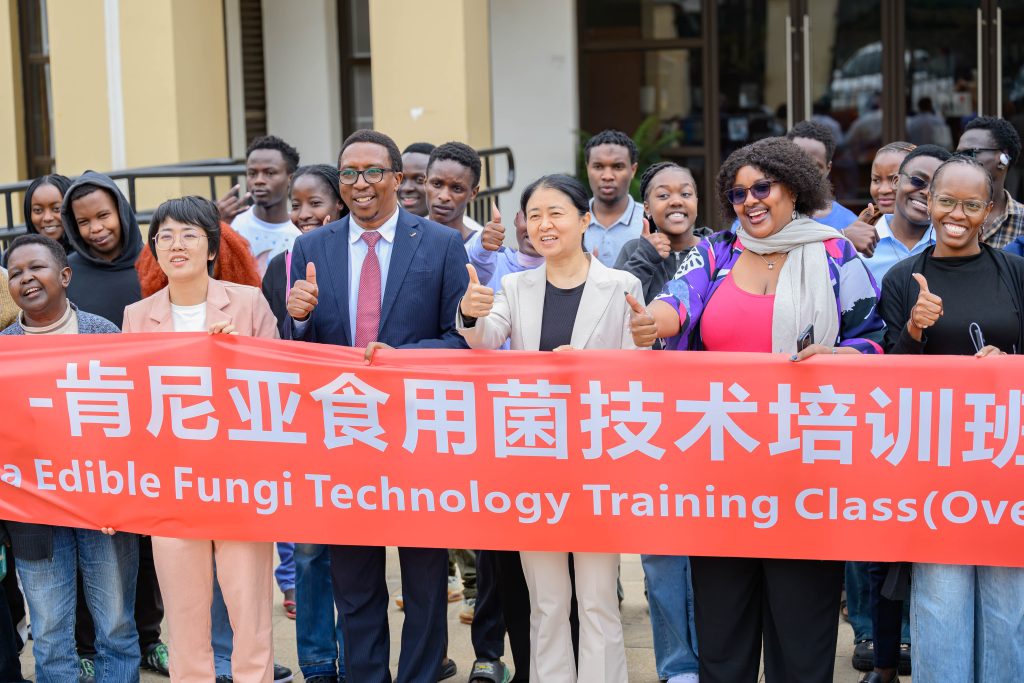
The collaboration between KNCCI, CAPETPC, and the Hunan Edible Fungi Research Institute serves as a prime example of CBA’s implementation-based training model. By introducing modern technology and strictly adhering to phytosanitary and safety standards, the partnership aims to transform mushroom farming from a localized activity into a highly lucrative, export-ready agribusiness value chain.








Leave A Comment