
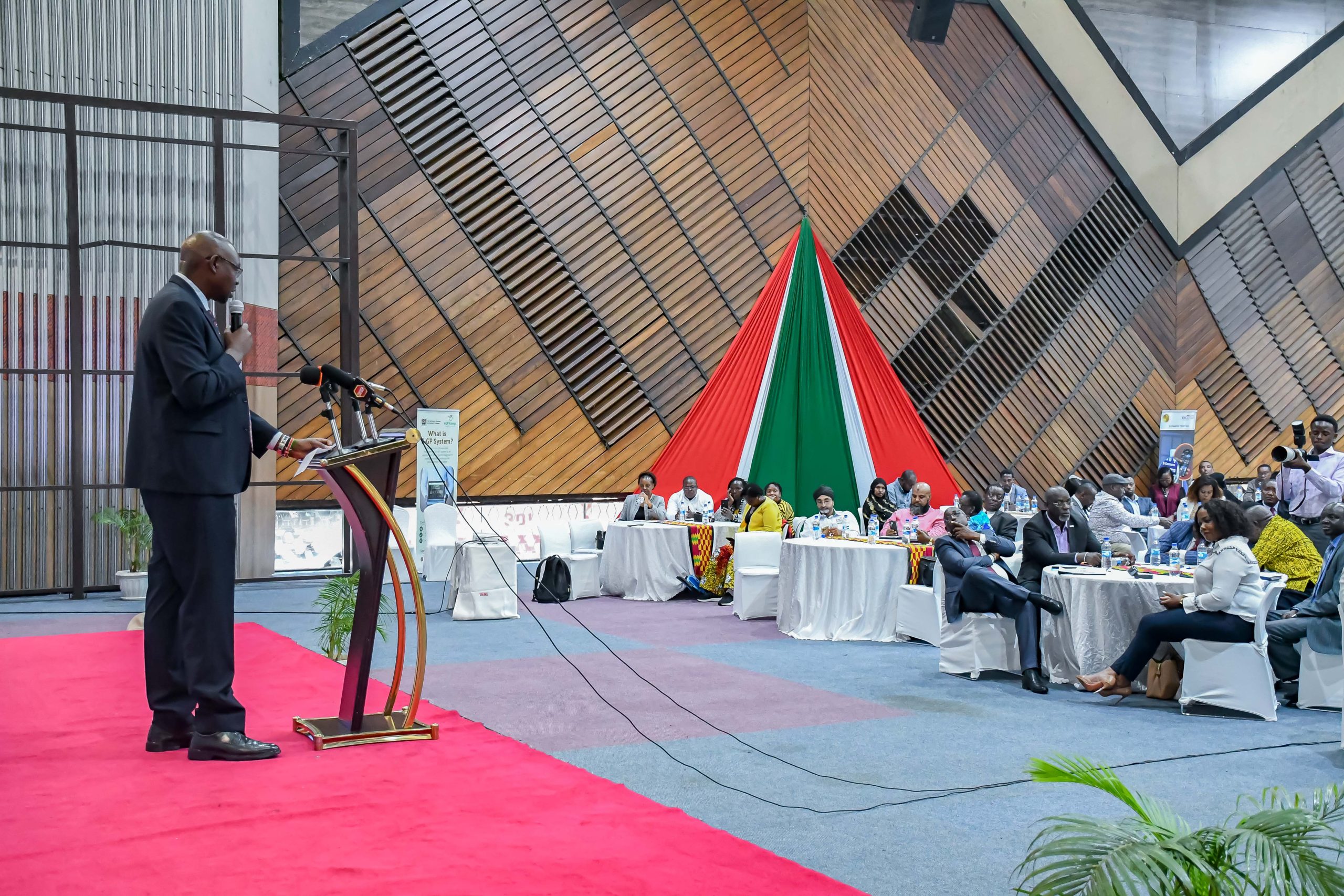
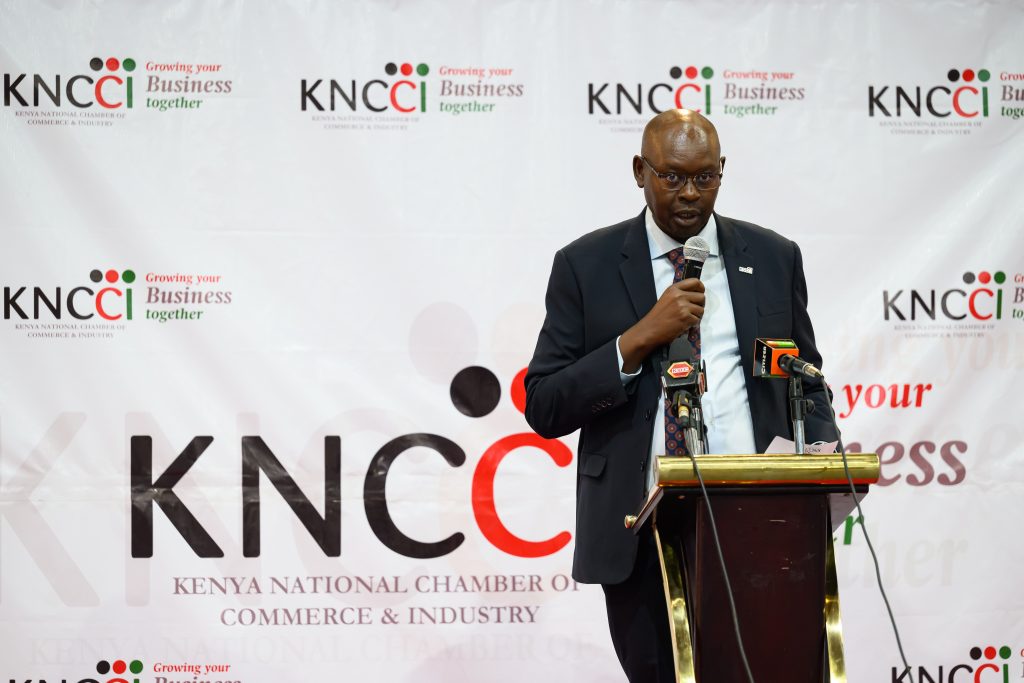
The Kenya National Chamber of Commerce and Industry (KNCCI) today held its Annual General Meeting (AGM), bringing together business leaders, government representatives, and development partners, with a strong call to Government to urgently clear pending bills and accelerate the adoption of market-friendly policies to support enterprise growth.
Speaking during the AGM, KNCCI President Dr. Erick Rutto reaffirmed the Chamber’s position as Kenya’s leading trade support institution, mandated to promote the commercial and industrial interests of the business community. He emphasized that KNCCI remains firmly committed to advocating for a favourable commercial, trade, and investment environment that enables enterprises to expand, compete, and participate meaningfully in public procurement and trade.
“Our priority as a Chamber is unlocking opportunities for businesses while systematically removing the bottlenecks that constrain growth, competitiveness, and liquidity—particularly for MSMEs,” said Dr. Rutto.
Pending Bills Remain a Critical Constraint
KNCCI reiterated that pending bills continue to pose a major liquidity challenge, especially for small and medium enterprises. While commending the Government for the recent release of KES 255 billion towards settling pending bills—KES 80 billion to the roads sector and the balance across other sectors—the Chamber underscored the need for sustained action.
KNCCI committed to continued engagement with the National Treasury, Ministries, Departments, Agencies, and County Governments to ensure timely verification and settlement of bills, clear payment timelines, and measures to prevent future accumulation.
“Pending bills remain a major constraint to business liquidity, especially for SMEs. We commend Government for the release of the recent KES 255 billion toward settling pending bills. Kshs.80B to the roads sector and the rest to other sectors. KNCCI will continue engaging Treasury, Ministries, Departments, Agencies, and Counties to ensure: timely verification and settlement, clear timelines and prevention of future accumulation,” Dr Rutto Said.
BETA Programme Unlocking Private Sector Opportunities
The AGM highlighted the positive impact of the Bottom-Up Economic Transformation Agenda (BETA) in creating inclusive growth opportunities for the private sector.
Under the Affordable Housing pillar, housing delivery has expanded significantly, with over 130,988 units under construction in 2025. This growth he said has stimulated demand across construction value chains, unlocking new markets for suppliers, contractors, and manufacturers.
On health reforms, he noted that the transition to the (SHA) has seen membership expand from 8 million under NHIF to over 28.8 million, increasing demand for private health services and related supply chains. KNCCI called on Government to prioritize payments to service providers to sustain service delivery.
The NYOTA Youth Empowerment Programme, targeting over 820,000 young Kenyans with skills training, apprenticeships, and access to capital, was also cited as a major pipeline for new entrepreneurs. KNCCI affirmed its readiness to onboard NYOTA beneficiaries into the Chamber, integrate them into formal business networks, and expand their market access.
Reducing the Cost of Doing Business
KNCCI urged Government to fast-track reforms aimed at lowering the cost of doing business. On licensing, the Chamber noted that businesses require 10–15 licenses and permits on average, with compliance costs accounting for 20–30% of MSME operating expenses. The Chamber advocated for harmonization and consolidation of licenses, elimination of duplicate permits, digital single-window licensing platforms, and adoption of a “One Business, One License” principle.
Access to finance for MSMEs was also emphasized, with calls for increased capitalization of institutions such as KDC and KIE, and for Government to ring-fence contracts of up to KSh 5 billion for local firms, including in contracting—not just supplies.
E-Procurement and Privatization
KNCCI announced a partnership with the National Treasury to capacity-build suppliers on the electronic Government Procurement (e-GP) system, positioning the Chamber as a bridge between government systems and private sector readiness.
On privatization, KNCCI welcomed Government’s move as a step toward efficiency and fiscal sustainability, stressing that privatization must ensure meaningful private sector participation, protect local investors, and avoid crowding out SMEs.
Trade, Diplomacy, and Strategic Partnerships
The AGM underscored KNCCI’s expanding role in trade diplomacy and export promotion. The Chamber called for support from the Ministry of Trade to establish a statutory chamber, strengthen public-private dialogue, address trade imbalances, and boost exports through financing, joint ventures, and business networking.
KNCCI also reaffirmed the strategic importance of its international offices in China and Dubai to support exporters, protect Kenyan businesses, and facilitate contract enforcement.
In closing, KNCCI reaffirmed its commitment to being a trusted partner to Government, a strong advocate for business, and a catalyst for growth, trade, and enterprise development. Members were encouraged to actively participate in e-procurement trainings, engage the Chamber on policy challenges, and leverage KNCCI’s local and international networks to grow their businesses.
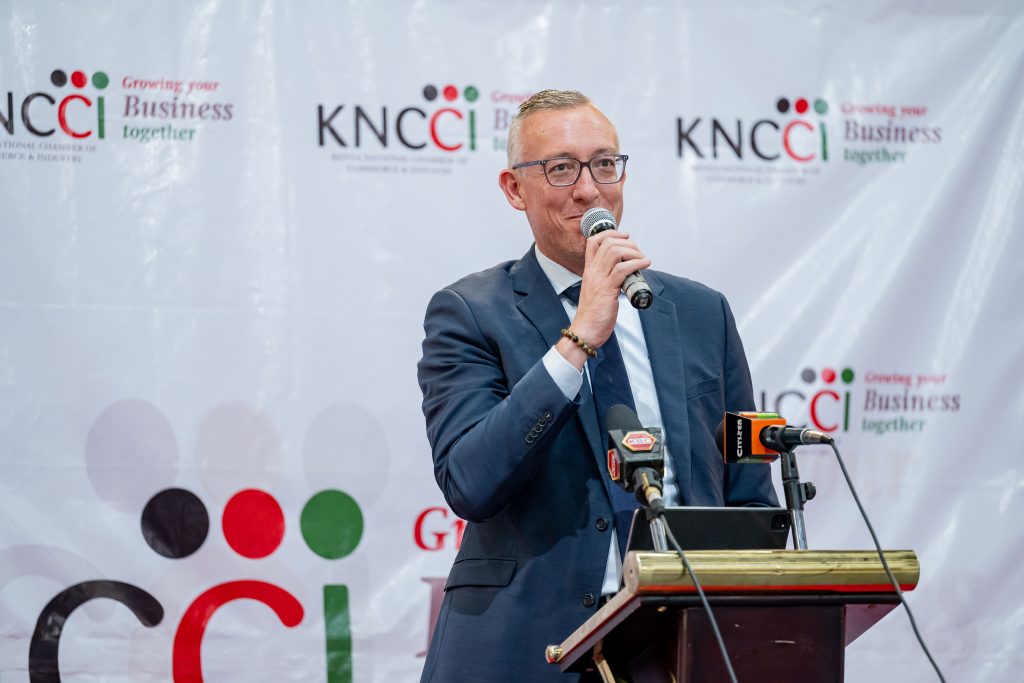
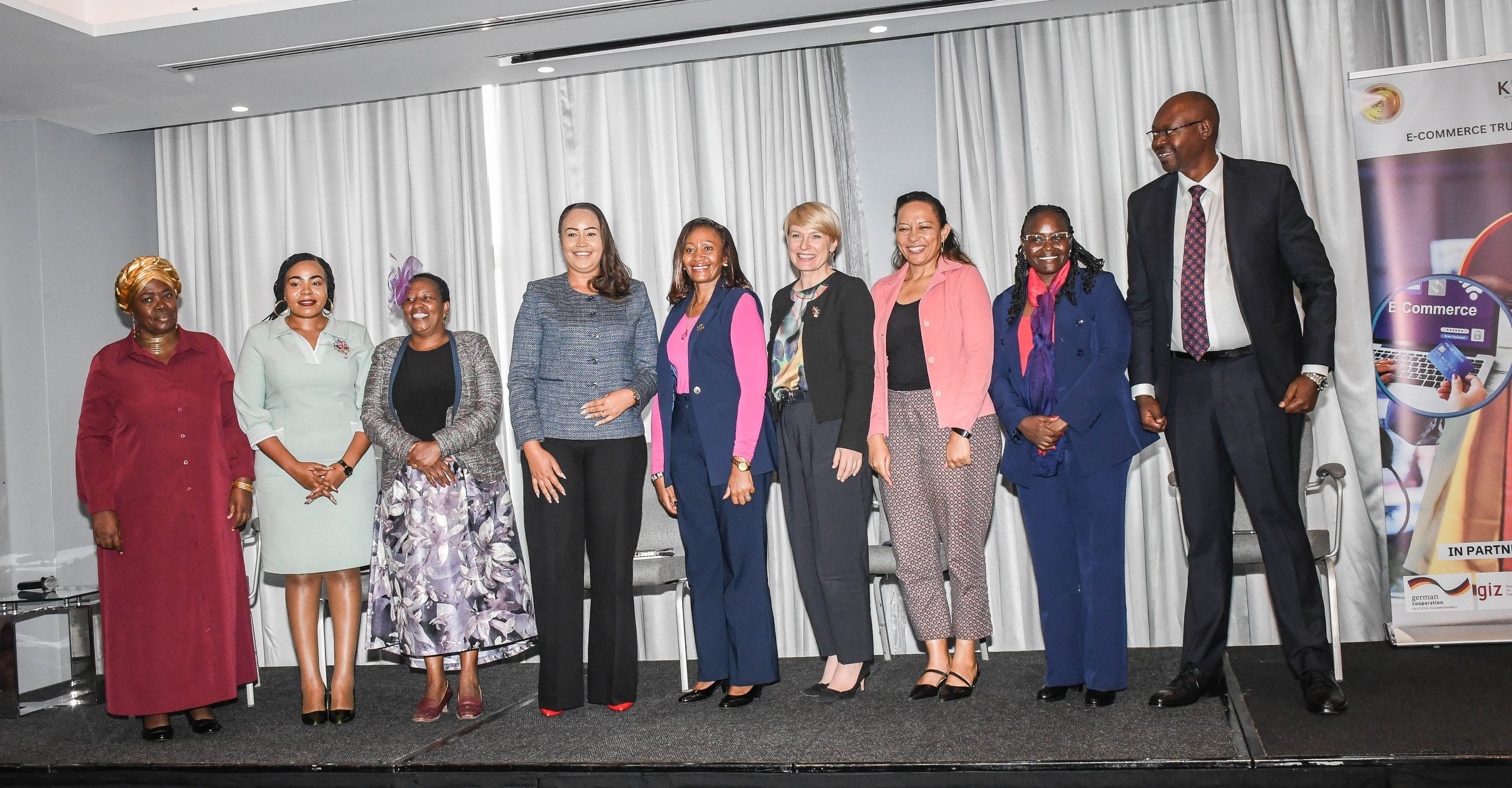
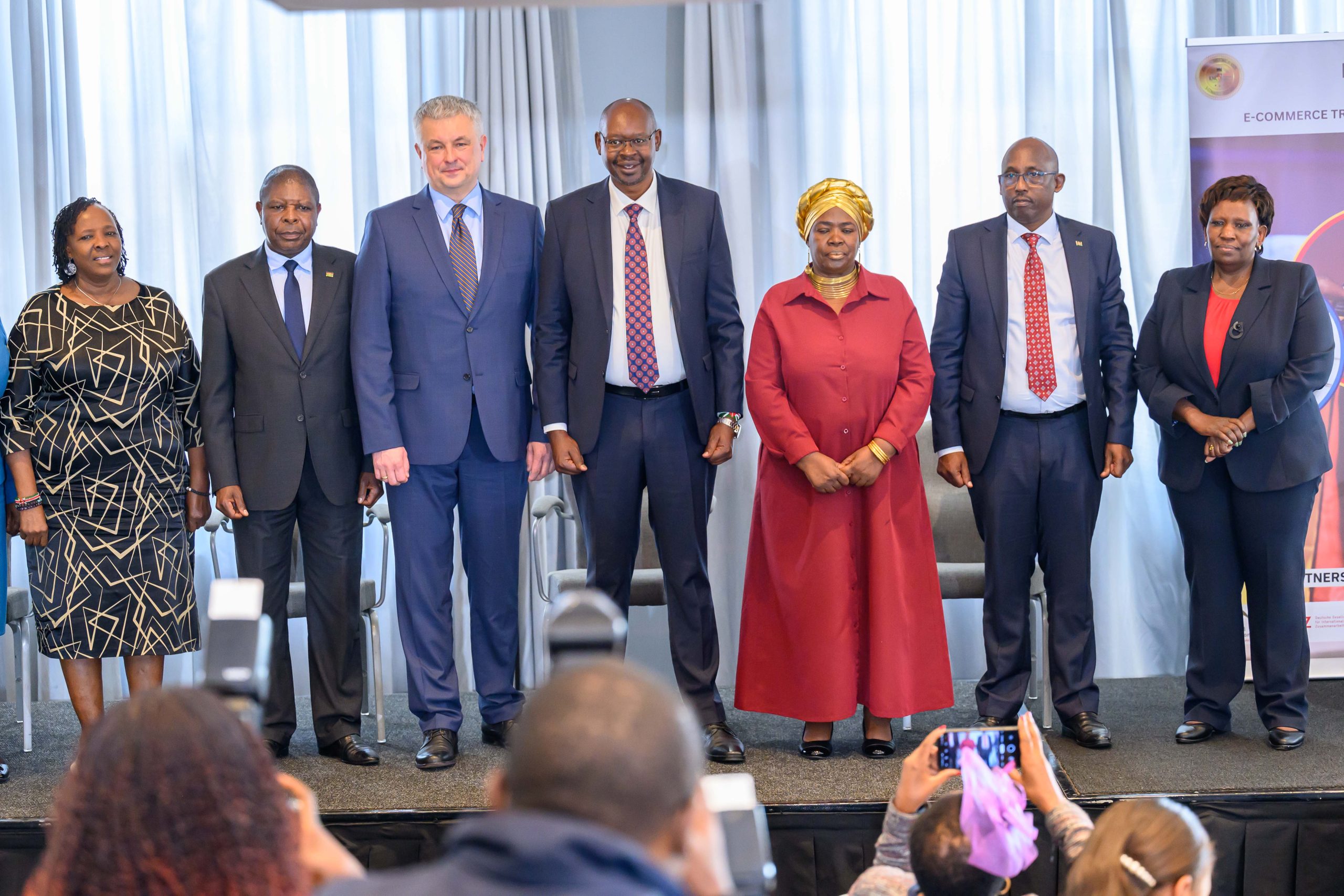
The annual general meeting saw participation from various dipllomatic missions including: Ethiopia, Uganda, Saudi Arabia and Germany.

Happy to see the impact of BETA implementation on the businesses
On business licensing, consolidation of licenses is an urgent matter
I applaud the recognition to train members on egp
KNCCI has been the most quoted platform to build networks in Export business